SHADOW BOXING: A RITUAL OF RELEASE
ROLE
Experence Designer
COLLABORATOR
ALEX LOWE - Fabrication Designer
I’ve been exploring how design can support public mental health, inspired by the clarity and stress relief I’ve found through Muay Thai. Over the summer, I developed the Release Pod, a circular glass-and-metal booth with a heavy bag inside, meant for plazas or parks. The idea is simple: step in, let out your stress, and leave a little lighter. Its transparency and automatic doors invite curiosity and normalize emotional release in shared spaces.
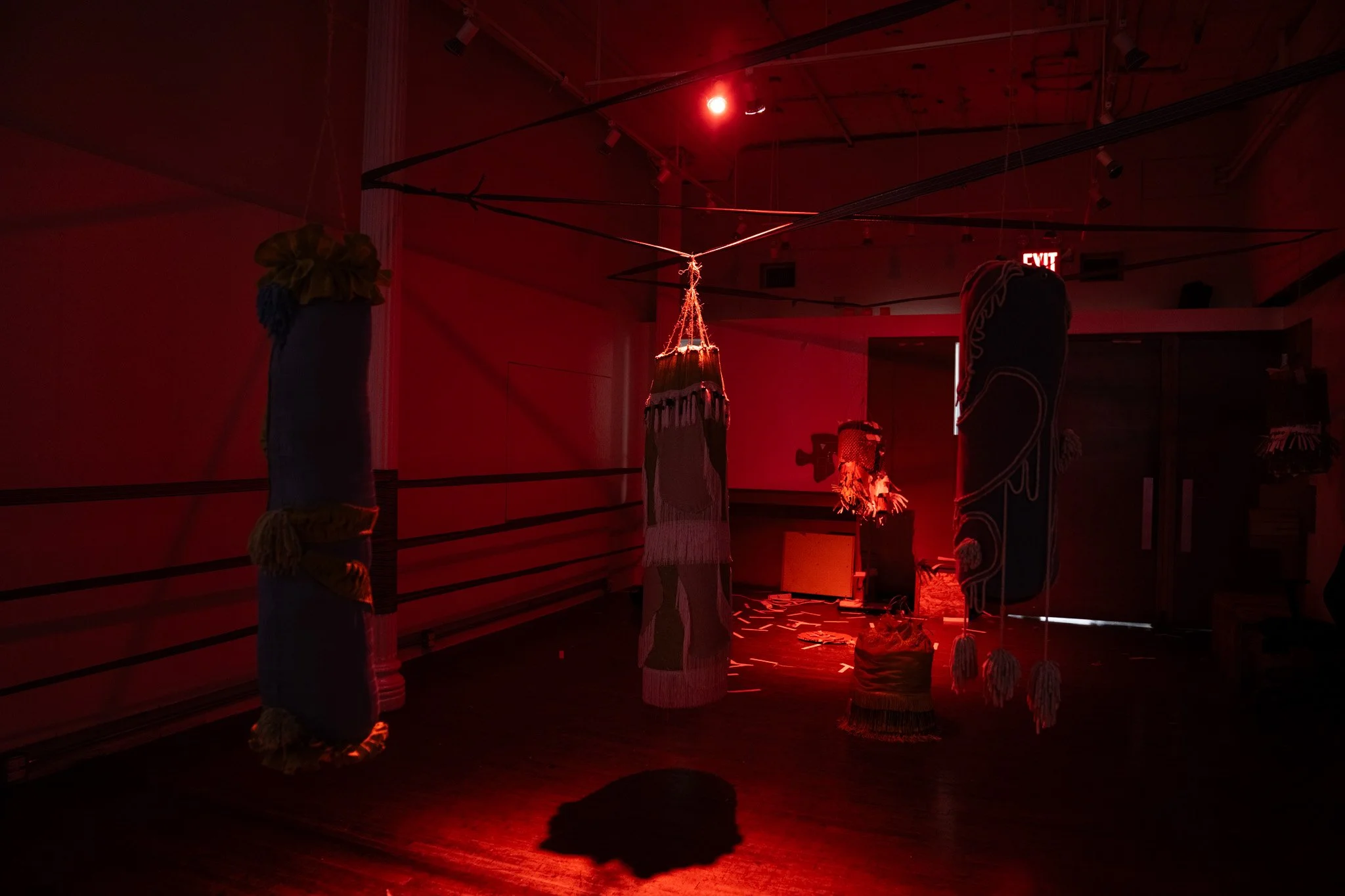
During the semester, I expanded this thinking with my classmate Alex Lowe through a project called Shadow Boxing. We created a participatory ritual where users move through zones of stretching, striking, breaking, and repair. By encouraging people to release tension and then mend the damaged bags, the experience closes the loop between expression and restoration. Both projects challenge how we engage with public space and how design can make emotional wellbeing more accessible.
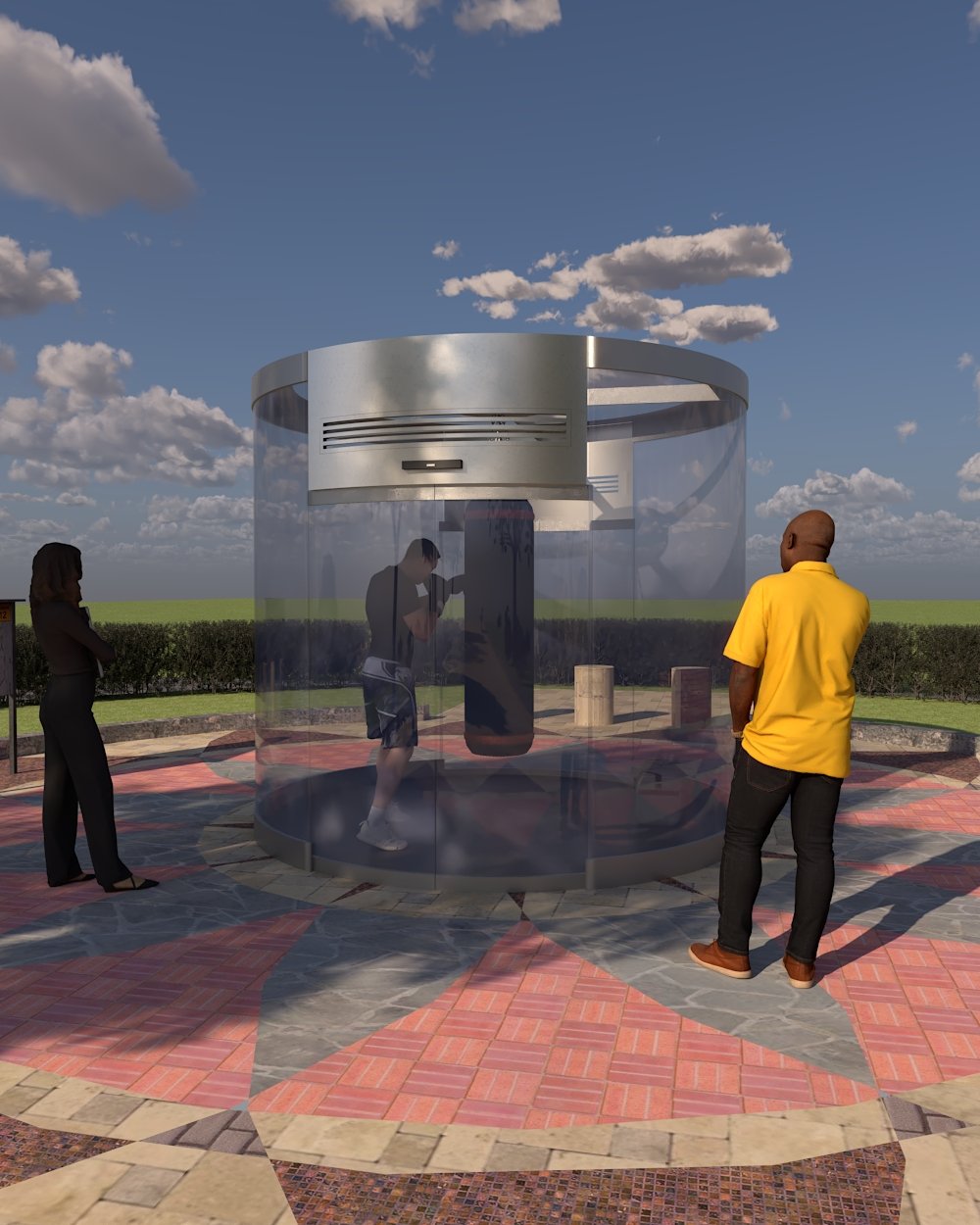
This rendering represents the first iteration of the Release Pod concept. The scene highlights the pod’s transparency and the dynamic between the participant inside and the bystanders drawn to the moment.
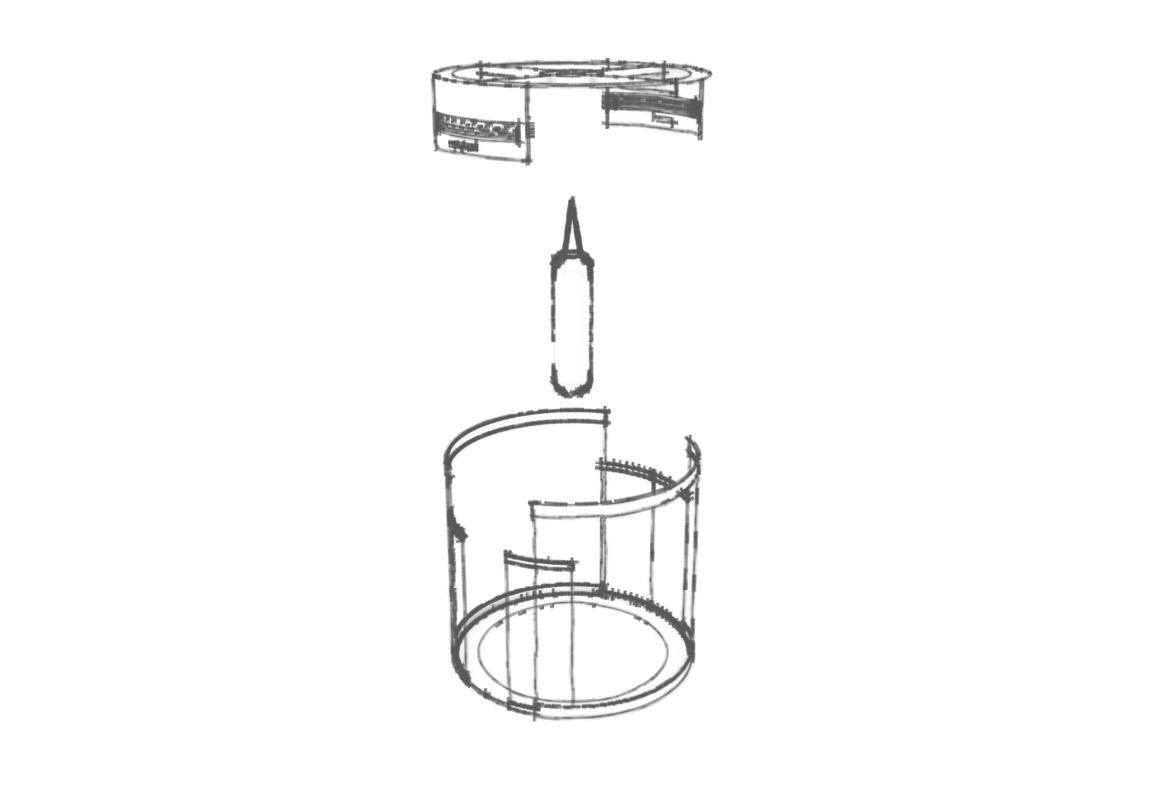
MOOD BOARD - SHADOW BOXING: HEAVY BAG CONCEPTS
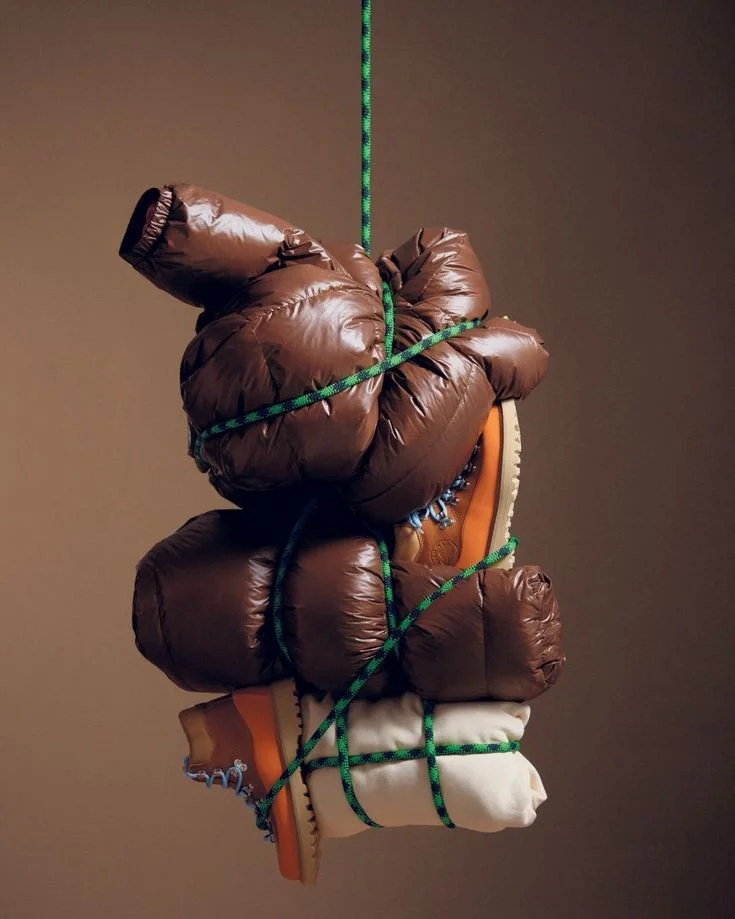
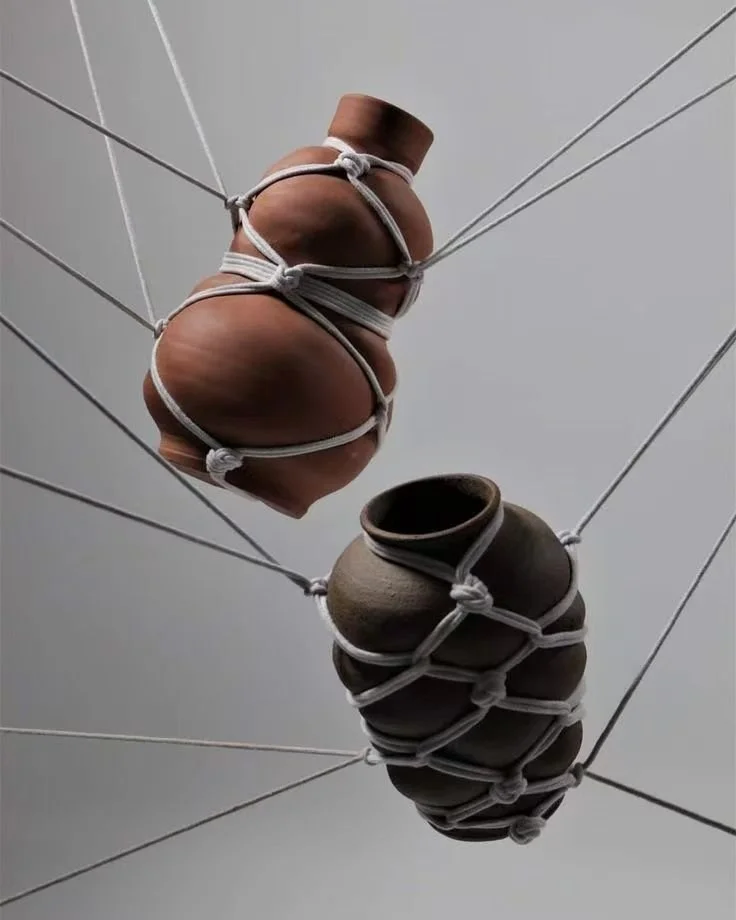
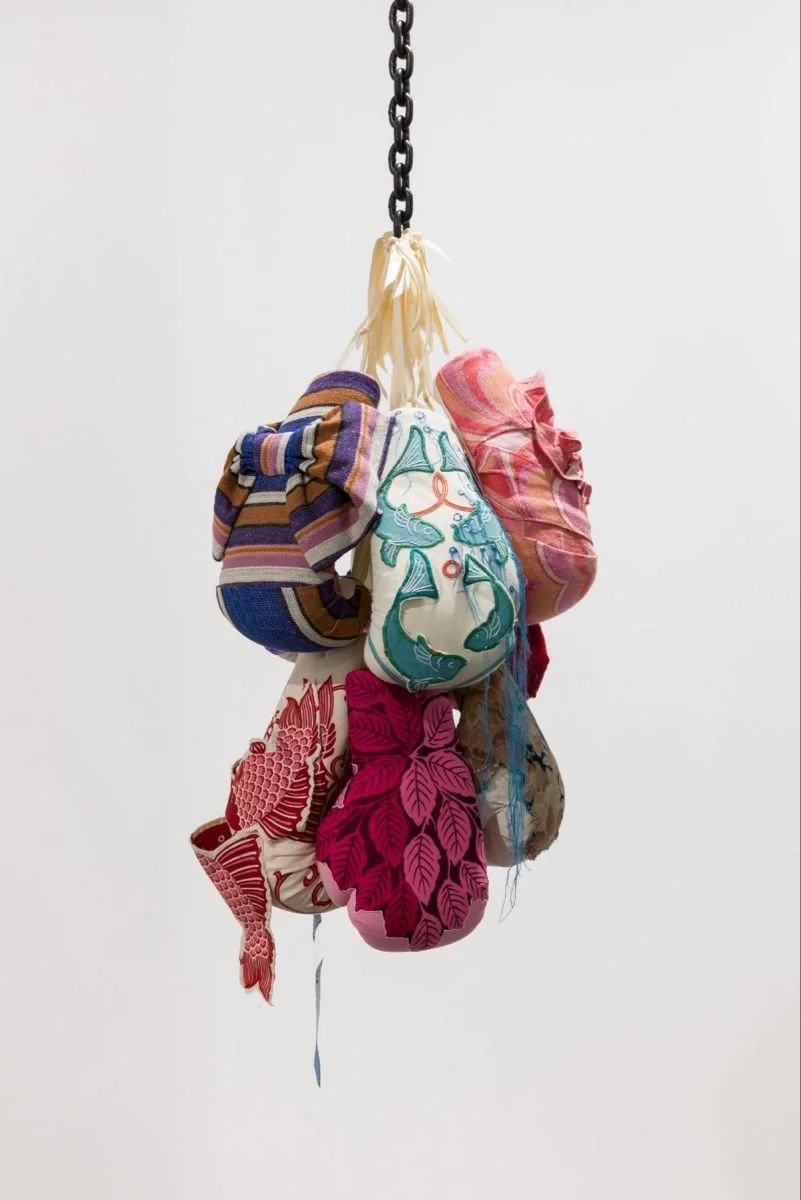
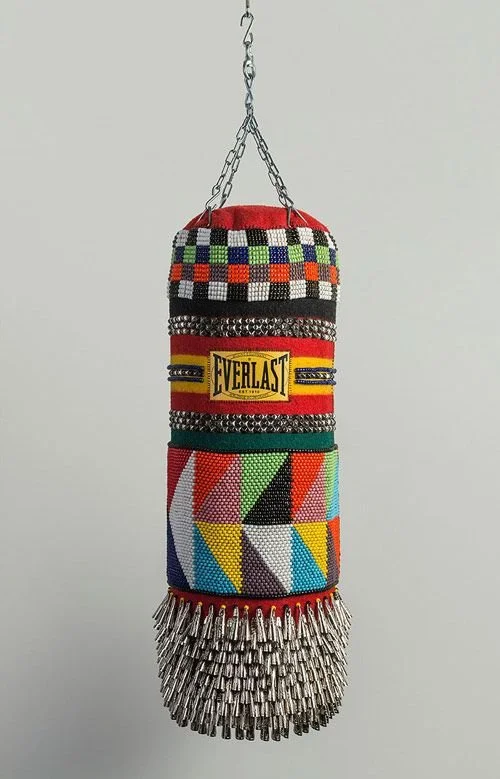
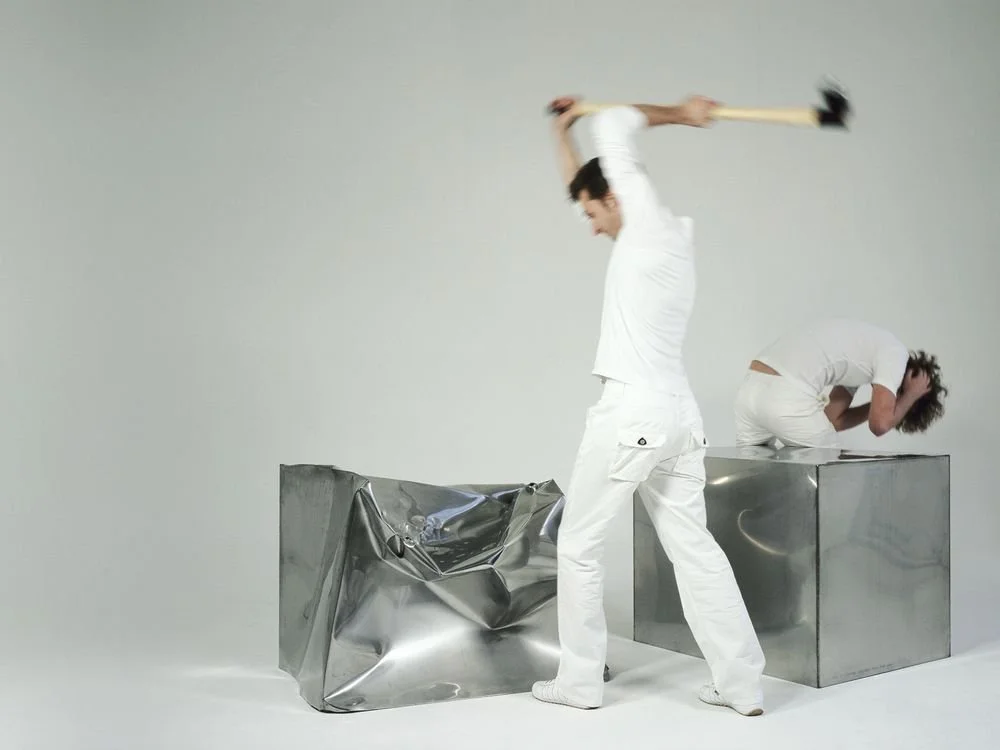
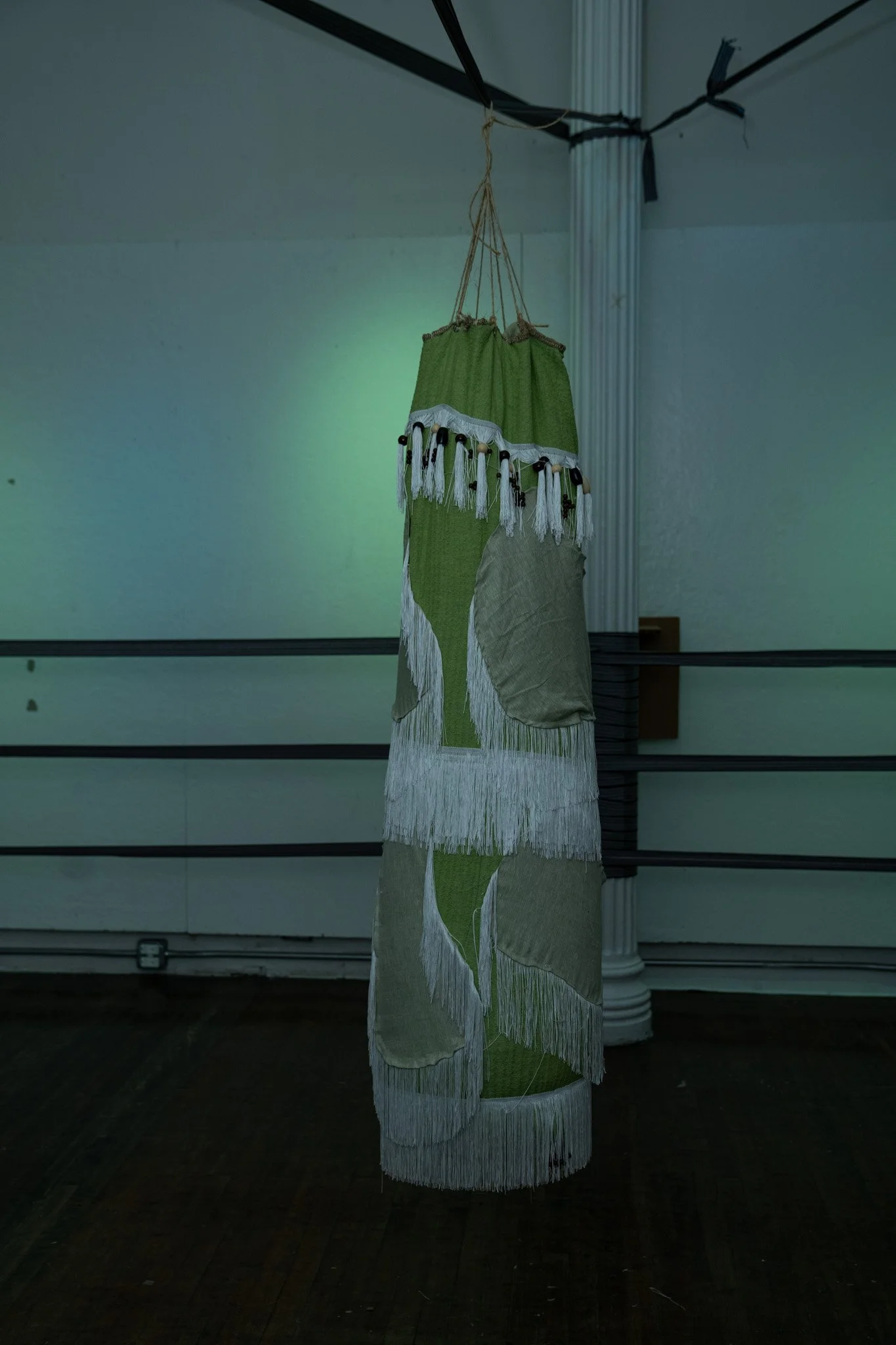
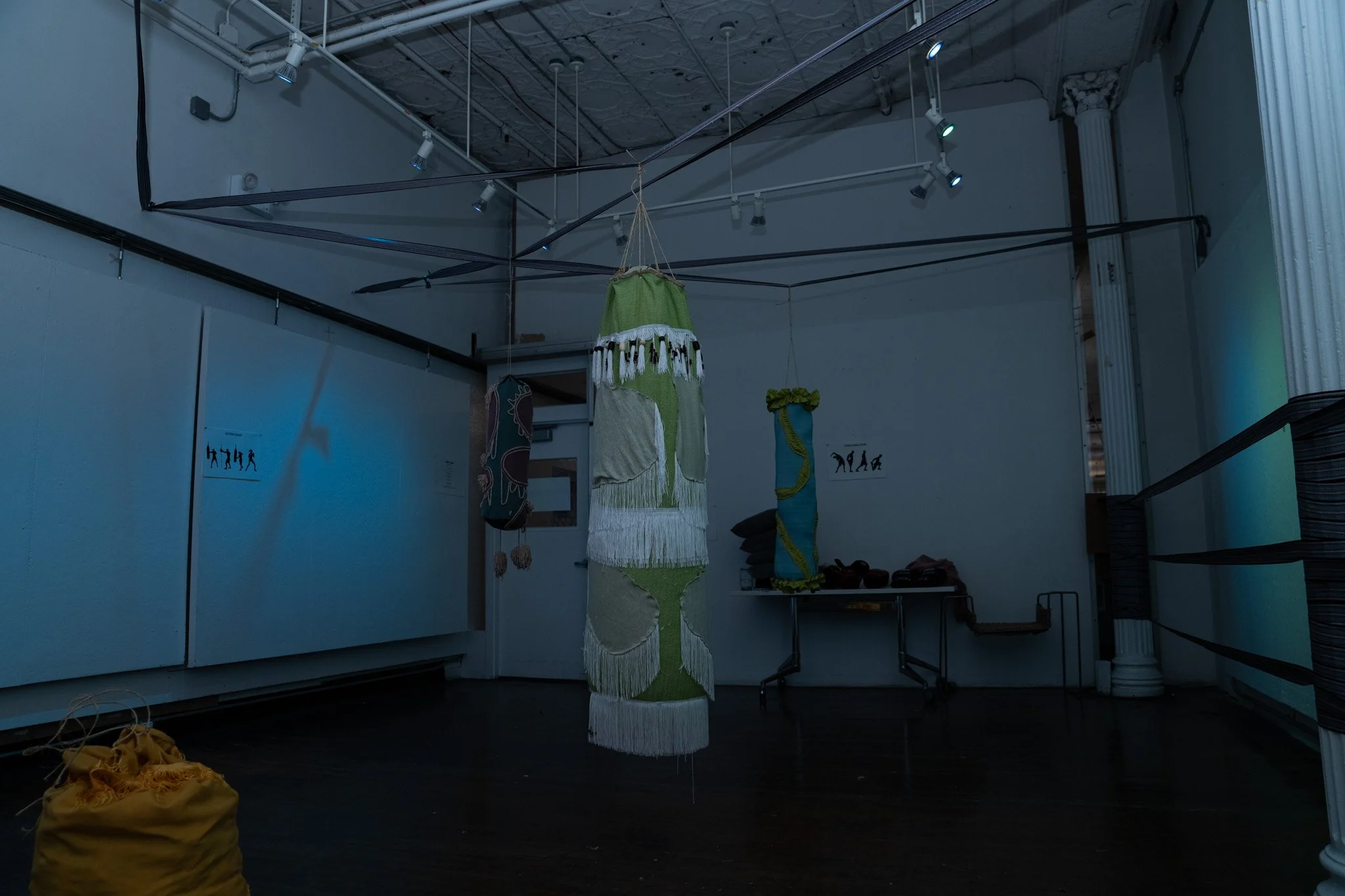
When designing this ritual, we questioned the traditional form of the heavy bag and explored how its design could be challenged. Through research, we gathered a range of artist reinterpretations and studied how each variation shifted the emotional and physical response of the user. This process helped us realize that materiality plays a powerful role: by altering texture, weight, and form, we could prompt participants to interact with each bag in distinct and meaningful ways.
MOOD BOARD - SHADOW BOXING: EXPERIENCE

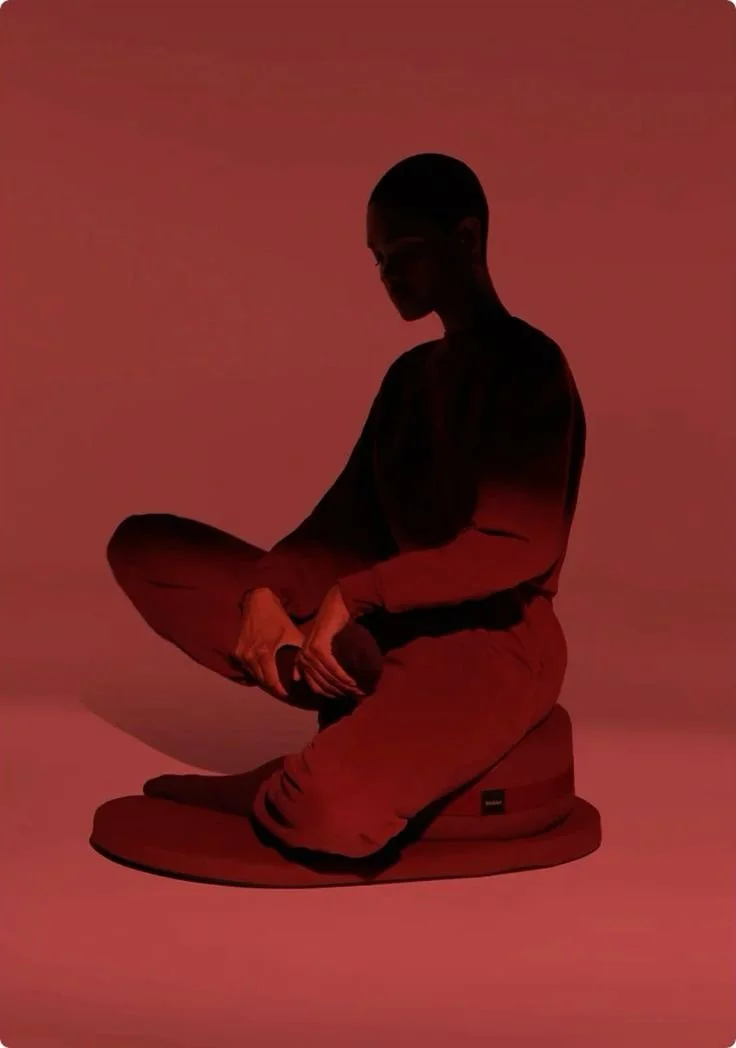
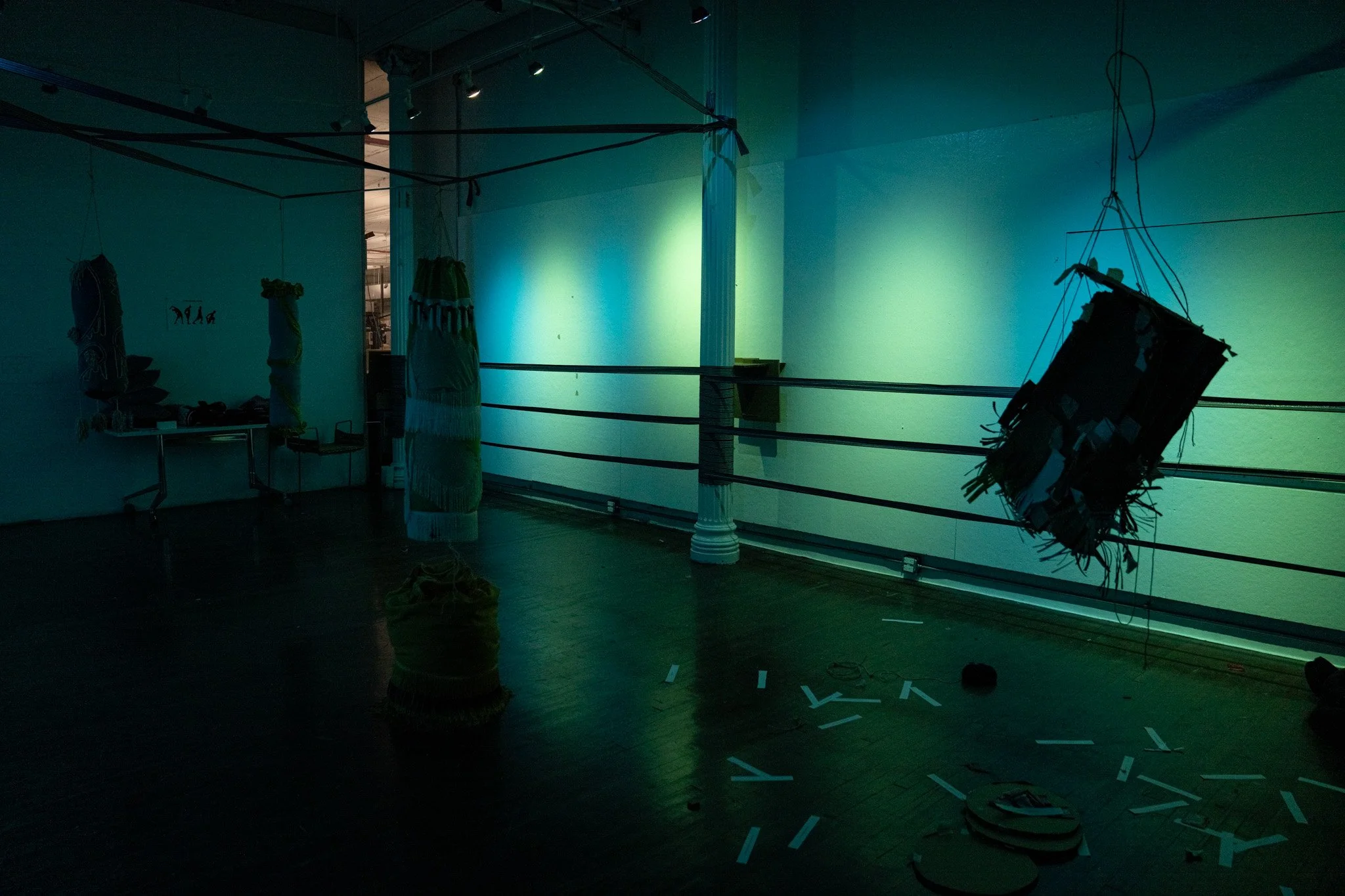
We designed this experience as a guided journey through movement, release, and restoration. Participants begin with a stretching and warm‑up phase to ground themselves. In the next phase, they engage in open‑ended play with the bags. We encourage them to hit, hug, push, or interact in whatever way feels natural, allowing a range of emotional expression.
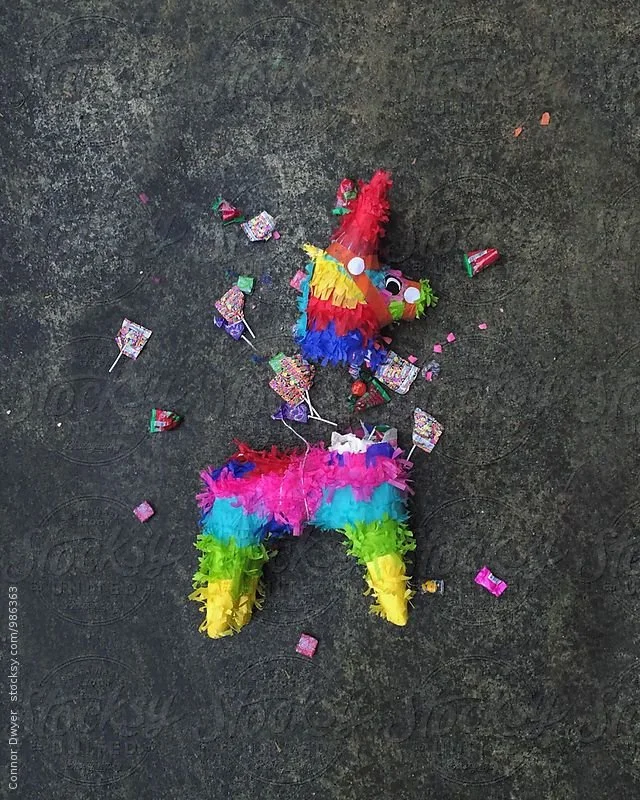
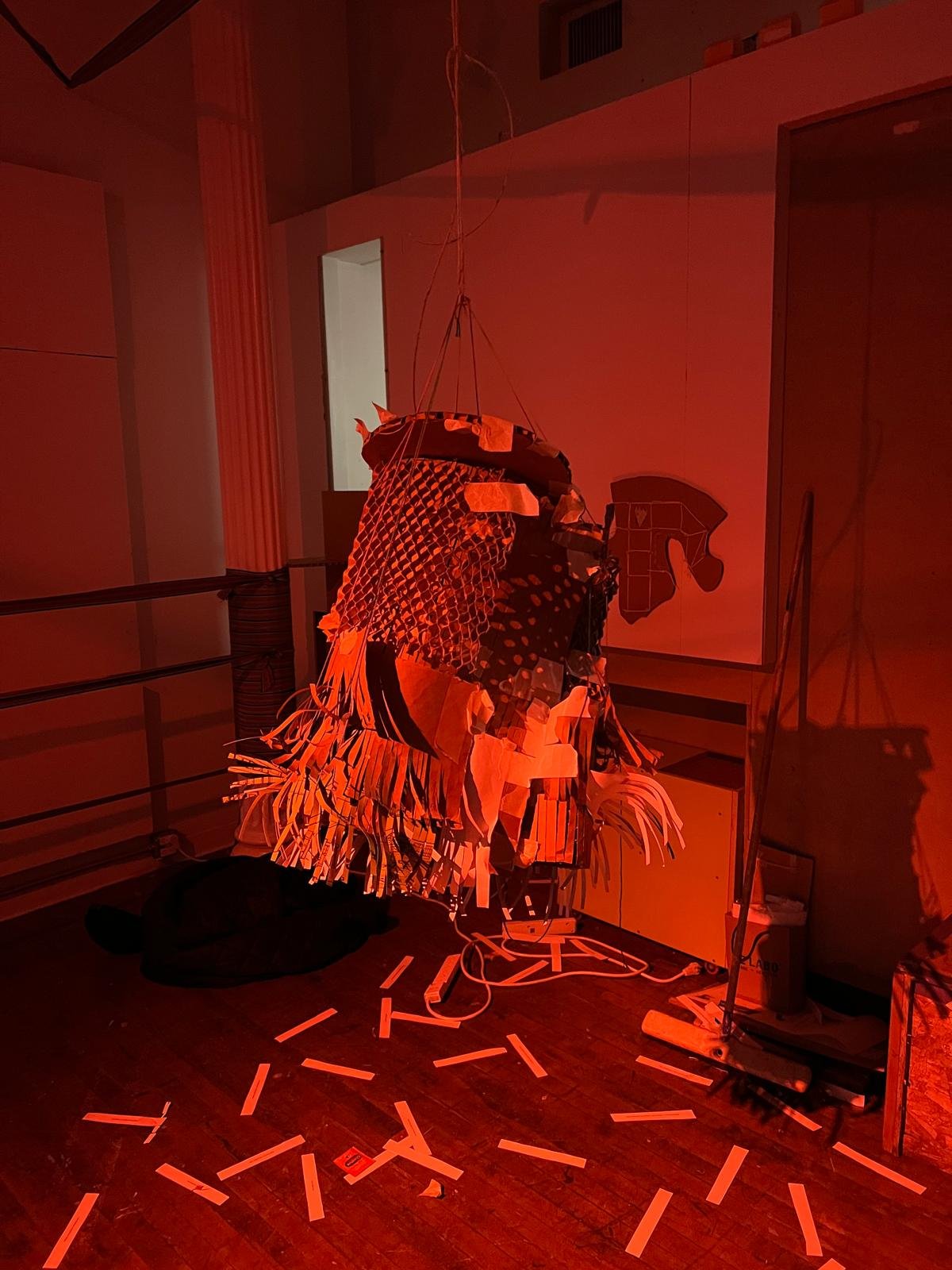
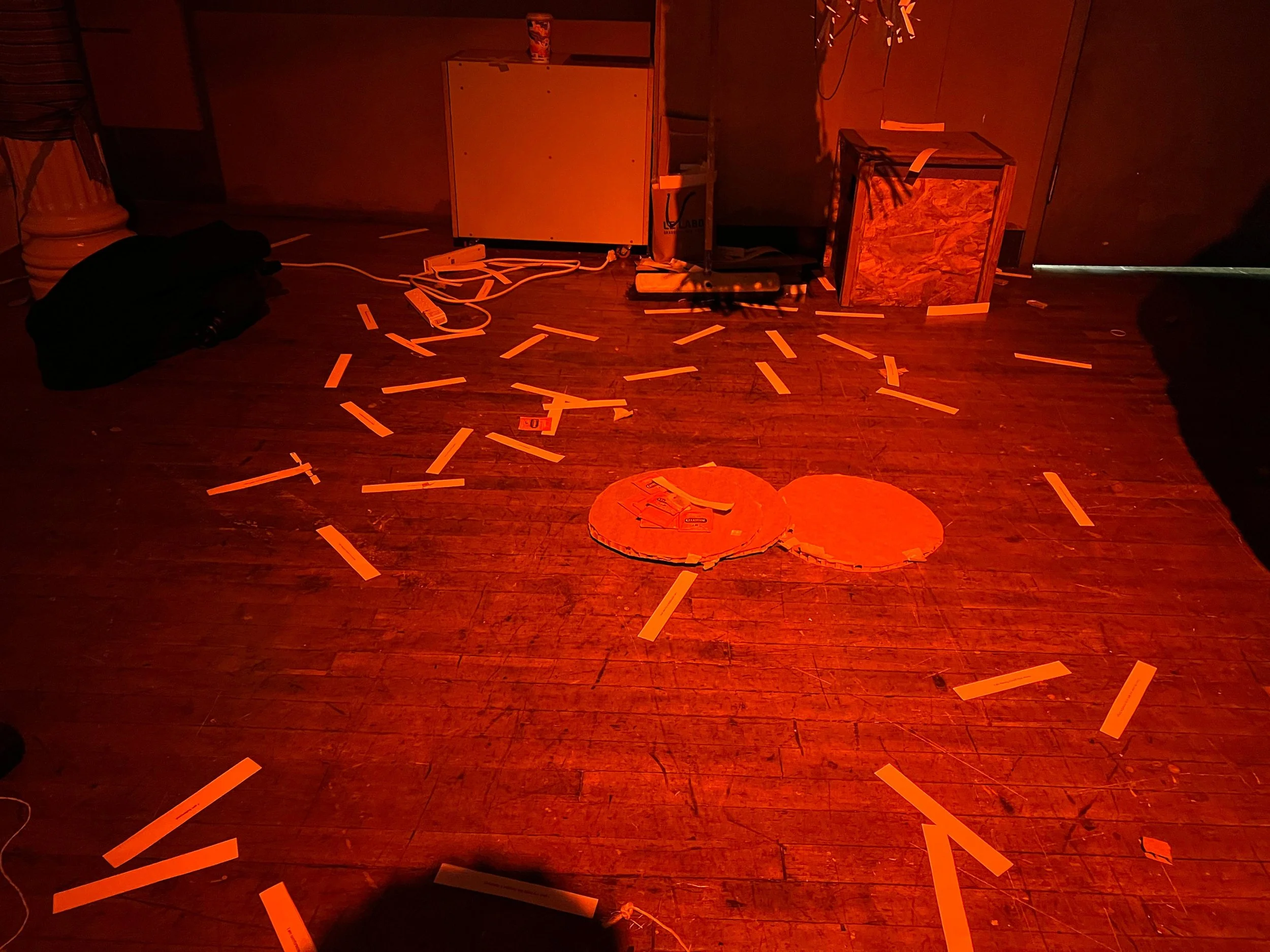
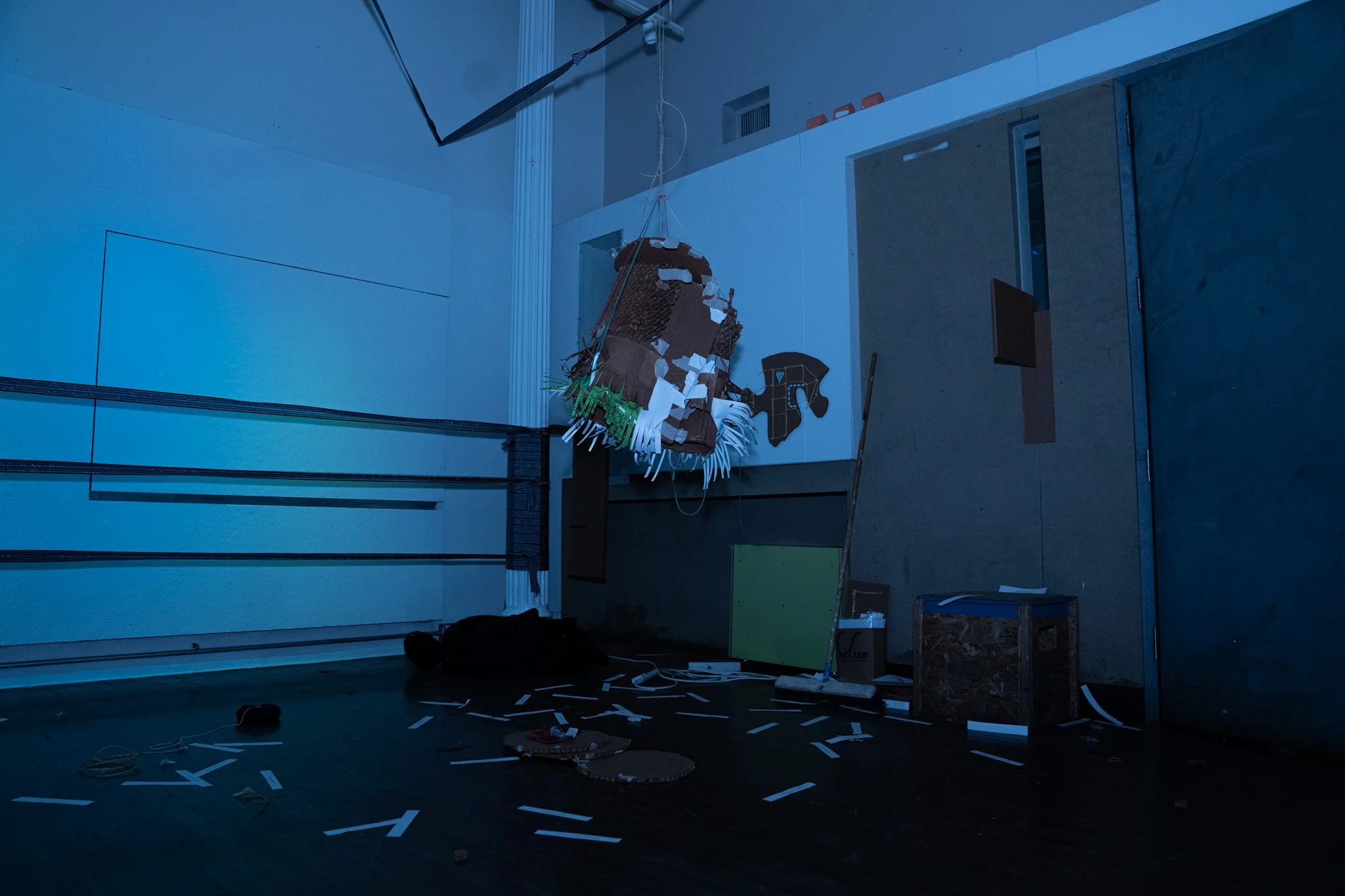
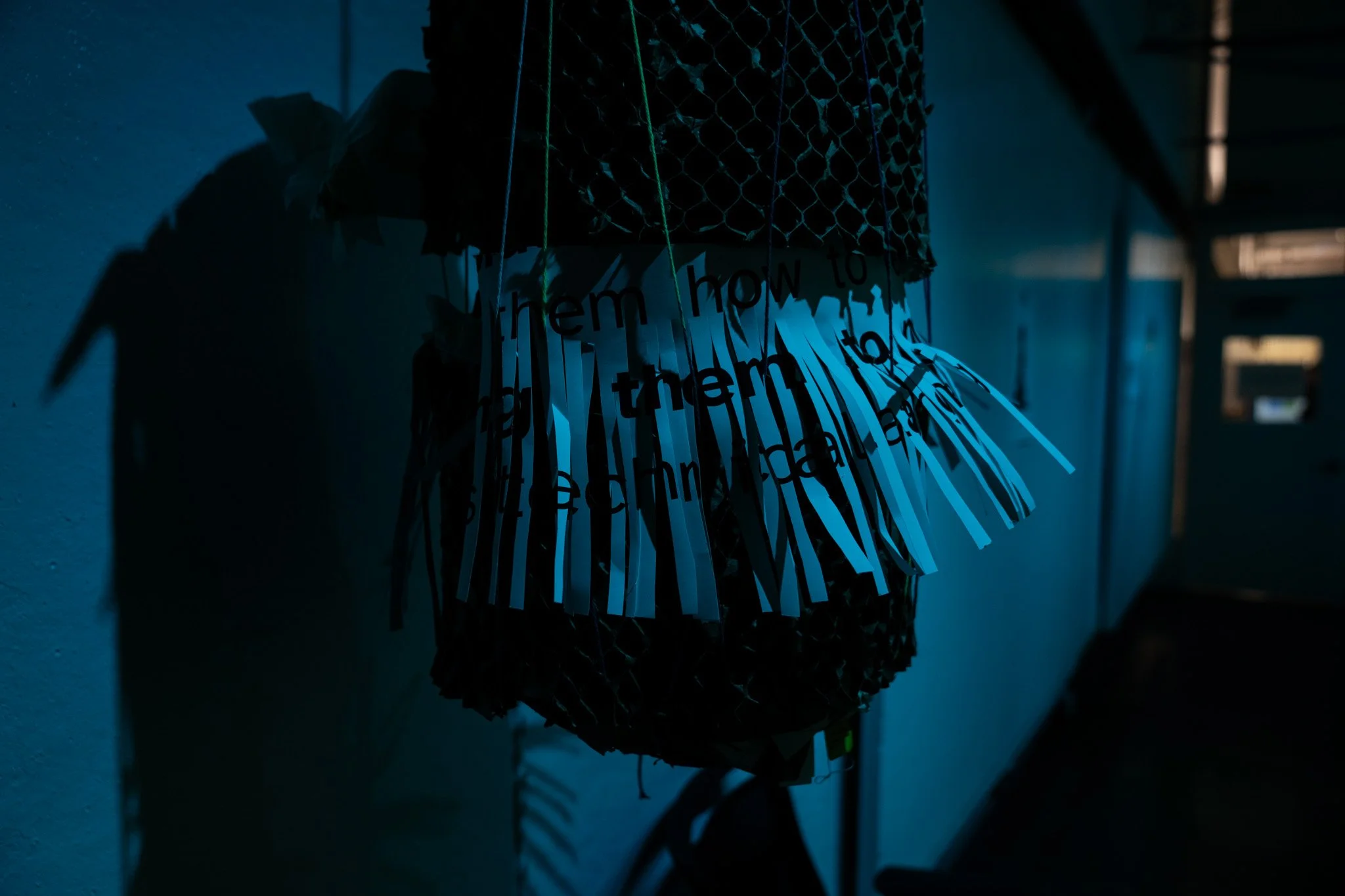
The third phase centers on breaking a punching‑bag‑shaped piñata. This is the peak moment of release, where participants can channel and disperse pent‑up energy. Inside each piñata are words of affirmation and tea bags, revealed as the structure breaks apart.
In the final phase, participants enter a rest and repair zone. Here, they help tape the piñatas back together and refill them with the affirmation cards and tea, symbolically closing the loop between release and restoration. This act prepares the space for the next group and reinforces the idea that healing is a communal, continuous process.
RITUAL PHOTOGRAPHS
THE RITUAL OF RELEASE
Video one is of the participants taking part in the smashing of the boxing pinatas
Video two is of participants taking part in the rest portion of the Ritual